
bullet proof house windows
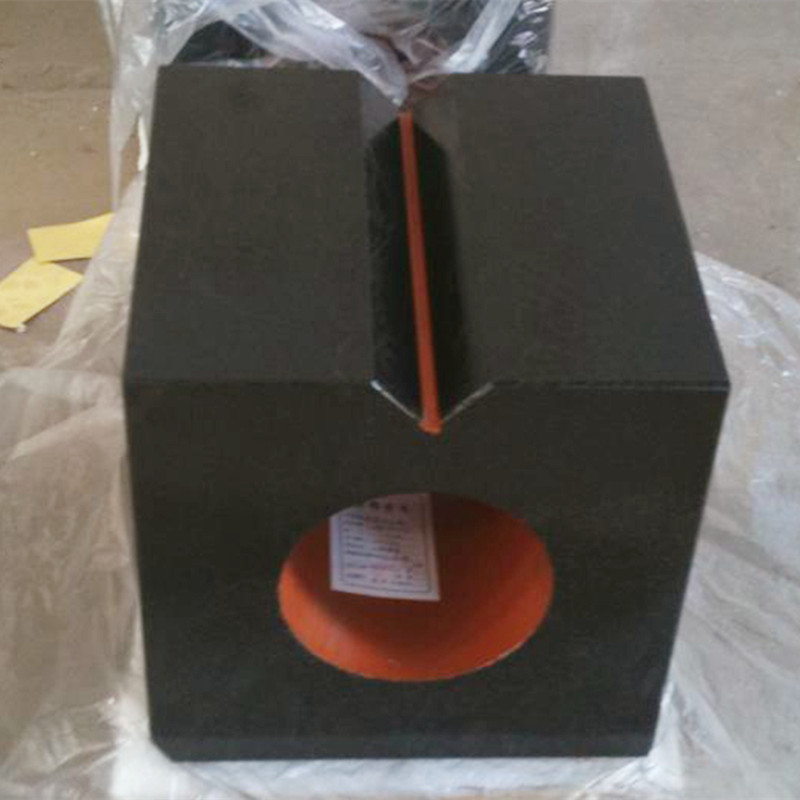
Exploring the Small Hole Measuring Gauge Precision in Measurement In the realm of engineering and manufacturing, precision is paramount. One of the tools that embody this precision is the small hole measuring gauge. Designed to accurately measure the diameter of small holes, this device plays a critical role in various industries, including aerospace, automotive, and medical device manufacturing. In this article, we delve into the intricacies of small hole measuring gauges, their applications, advantages, and best practices for use. Understanding Small Hole Measuring Gauges Small hole measuring gauges are specialized instruments that allow users to assess the diameter of holes that may be too small for conventional measuring tools like calipers or micrometers. These gauges come in various designs, but they generally consist of a probe that is inserted into the hole being measured. The gauge indicates the diameter based on the depth to which the probe can fit within the hole. There are different types of small hole measuring gauges available, including dial gauges, digital gauges, and laser-based systems. Each type has its unique features, advantages, and measurement methods, catering to individual needs in measurement accuracy and ease of use. Applications of Small Hole Measuring Gauges The applications of small hole measuring gauges are vast. In the aerospace industry, for example, manufacturers often create parts with highly precise hole dimensions to ensure proper fit and function; thus, small hole measuring gauges are essential to verify these specifications. In the automotive industry, they are used to measure fuel injector orifices and critical engine components, where even the slightest deviation can affect performance and emissions. Moreover, in the medical device sector, precision is crucial. Small hole measuring gauges are employed to inspect components like syringes, needles, and tubes to ensure that they meet the required specifications for safety and efficacy. This level of precision in measurement is vital in maintaining quality control across various industries. Advantages of Using Small Hole Measuring Gauges One of the primary advantages of small hole measuring gauges is their ability to provide accurate measurements in confined spaces. Unlike traditional tools that may struggle with tiny openings, these gauges are specifically designed to access and measure small diameters effectively . This ensures that manufacturers can maintain tight tolerances in their production processes, reducing the risk of defects and ensuring product reliability. small hole measuring gauge Another advantage is the speed of measurement. Many small hole measuring gauges, particularly digital models, can provide instantaneous readings, which can significantly enhance productivity in manufacturing settings. This rapid feedback allows operators to make real-time adjustments, thereby streamlining quality control processes. Best Practices for Using Small Hole Measuring Gauges To maximize the accuracy and lifespan of small hole measuring gauges, it is essential to follow best practices during use 1. Calibration Regularly calibrate the gauge according to the manufacturer’s specifications to ensure accuracy. Calibration should be done before each measurement session. 2. Cleanliness Keep the measuring probe and the work area clean. Dust and debris can affect measurement accuracy and may damage the probe over time. 3. Proper Insertion Technique When inserting the probe into the hole, ensure that it is perpendicular to the hole's surface. This prevents skewed measurements and increases reliability. 4. Reading the Measurement Take note of the measurement readout promptly and avoid moving the gauge after the reading is taken to prevent errors. 5. Training Ensure that all personnel using the gauges are adequately trained on how to operate them correctly. Understanding the gauge’s capabilities and limitations will enhance measurement accuracy. Conclusion Small hole measuring gauges are essential tools in ensuring precision in various industries that require high accuracy for small components. Their ability to measure small diameters with ease and speed makes them indispensable in quality control and assurance processes. By adhering to best practices and understanding their applications, engineers and technicians can enhance the reliability and performance of their products while maintaining the high standards required in today's competitive market. The right tools, like the small hole measuring gauge, contribute significantly to the success of many engineering projects, exemplifying the importance of precision in modern manufacturing.
about
bullet proof house windows
Understanding Thread Gauge Plugs A Comprehensive Guide Thread gauge plugs are essential tools in various industries, particularly in manufacturing, engineering, and quality control. These plugs are designed to measure the internal thread specifications of a component, ensuring that parts fit together as intended and function correctly. With the increasing complexity of mechanical assemblies, understanding how thread gauge plugs work and their applications is vital for maintaining high standards of precision and quality in production. What is a Thread Gauge Plug? A thread gauge plug is a precision instrument that verifies the dimensions and quality of internal threads within a component. The plug features a specific thread profile cut into it, which corresponds to a particular standard, such as ANSI, ISO, or JIS. These plugs are often made from high-quality steel and can undergo various treatments to enhance durability and resistance to wear. Thread gauge plugs can be classified into two main categories Go and No-Go gauges. The Go gauge checks if the internal thread is within tolerable limits, allowing for a smooth fit of the mating part. In contrast, the No-Go gauge ensures that the thread does not exceed the maximum acceptable limits. Together, these gauges help enforce consistency in manufacturing processes and reduce the likelihood of assembly issues. The Importance of Thread Gauge Plugs Understanding the importance of thread gauge plugs is crucial for maintaining quality control and ensuring the longevity of assembled products. Here are several reasons why they are so valuable in manufacturing 1. Quality Assurance By utilizing thread gauge plugs, manufacturers can establish a systematic approach to inspecting threaded components. Regular inspections prevent defects from reaching the final assembly stage, ensuring that every part functions as designed. 2. Consistency In large-scale production, maintaining consistency across components is vital. Thread gauge plugs help standardize measurements, reducing variations that can lead to fitting issues when parts are assembled. 3. Cost Efficiency Identifying and resolving thread issues early in the production process can save significant costs associated with rework or scrapping defective parts . Investing in proper measurement tools, such as thread gauge plugs, ultimately contributes to a more efficient manufacturing process. thread gauge plug 4. Enhanced Performance Components that fit together correctly are less likely to encounter stress or fatigue during operation. Ensuring precise threading can enhance the lifespan of the end product and improve overall performance. How to Use Thread Gauge Plugs The proper use of thread gauge plugs is critical for accurate measurement. Here are the steps to follow 1. Select the Appropriate Gauge Choose the plug gauge that corresponds to the thread specification you are measuring. It is essential to ensure that you are using the correct standard for your application. 2. Clean the Threaded Area Before inserting the gauge, ensure that the internal threads are clean and free of debris. Dirt or oil can lead to inaccurate measurements. 3. Test the Go Gauge First Insert the Go gauge into the threaded hole. It should easily engage, indicating that the thread is within acceptable limits. If it does not fit, the thread may be undersized. 4. Check with the No-Go Gauge Following the Go gauge test, insert the No-Go gauge. It should not engage with the thread; if it does, the thread is oversized or out of tolerance. 5. Document and Evaluate the Results After testing both gauges, record the results. If any discrepancies are found, review the manufacturing process to identify potential areas for improvement. Conclusion Thread gauge plugs are critical tools for ensuring the quality and consistency of threaded components in various industries. Their role in quality control cannot be overstated, as they help maintain the standards necessary for seamless mechanical assemblies. Understanding the functioning and application of thread gauge plugs is essential for anyone involved in manufacturing or quality assurance, highlighting their contribution to efficient production processes and enhanced product performance. Proper use of these gauges can lead to significant long-term benefits, making them an indispensable asset in any manufacturing environment.
-

High quality industrial productsagement

High quality industrial products
View Details -

Meet the diverse needs of customers

Meet the diverse needs of customers
View Details -

Strict quality control

Strict quality control
View Details -

Top raw materials

Top raw materials
View Details -

Trusted supplier

Trusted supplier
View Details
Our application


news and information
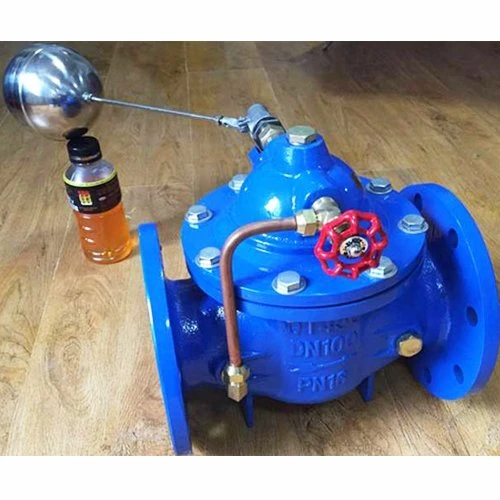
Y Type Strainer Maintains System Efficiency Long Term
In the realm of industrial fluid management, the y type strainer stands as an unsung hero, silently

Water Control Valve for Efficient Shut-Off in Plumbing Systems
Understanding Water Shut Off Valves Importance and Functionality Water shut off valves are critical

welded globe valve
Understanding Welded Globe Valves A Comprehensive Overview Welded globe valves are vital components
 English